


Victoria's new rental energy standards start in March 2027, but the cost doesn't land on the date. It's triggered by a new lease or an appliance failing. Here's what changes, where the gas-swap trap catches landlords, and how to price the upgrade before you buy.

Victoria's new rental energy standards start in March 2027. Most of the cost is hidden, because it doesn't arrive on a date. It arrives on a trigger.
There's a lot of talk about March 2027 as if a switch gets flipped and every rental in the state has to be upgraded that morning. That's not how these standards work, and reading them that way will cost you either money or peace of mind, depending on which way you jump.
The new minimum energy efficiency standards for rental homes phase in from 1 March 2027. They build on the health and safety standards that have been in place since 2021 and the 2-star heating standard from 2023. What's new is a set of requirements covering ceiling insulation, heating, hot water, cooling, showerheads and draughtproofing. Sensible measures, most of them. The part that catches owners out is when each one actually applies to them.
Almost nothing here lands automatically on the calendar. The obligations are switched on by an event: a new lease, a fixed-term agreement rolling over to periodic, or an existing appliance reaching the end of its life.
So a property with a sitting tenant on an ongoing agreement isn't forced to upgrade on 1 March 2027. The moment it re-lets, it is. If you own rental stock, your real timeline isn't the government's date. It's your own tenancy schedule and the age of your appliances. That's the number to map.
Three things start on that date.
Ceiling insulation. At the start of a new lease, or a conversion to periodic, an accredited installer has to put insulation into ceiling spaces where there's none. If the property already has ceiling insulation, you're exempt, whatever its rating. This is a where-there's-nothing rule, not an upgrade-what's-there rule.
Heating and hot water. When an existing heater or hot water system reaches end of life, it has to be replaced with an efficient electric system. That means a heat-pump hot water unit, or a reverse-cycle air conditioner for heating. Not a like-for-like gas swap.
Showerheads and cooling. At the start of a new lease, 4-star showerheads and cooling in the main living area have to be in place.
From 1 July 2027, draughtproofing gets added to the new-lease list: external doors, windows and wall vents. There's an exemption where open-flued or flueless gas appliances are present, because sealing the place up around them is a safety problem, not an efficiency win.
From 1 July 2030, the trigger disappears for one item. Efficient electric cooling in the main living area becomes mandatory for every rental home, lease or no lease. That's the one date that behaves like the deadline people assume March 2027 is. It's also far enough out that you can plan for it rather than react to it.
Here's where owners quietly lose money. When a hot water unit or heater fails, the reflex is to replace it with the same thing, because it's the cheapest invoice on the day and the plumber has one on the van. On a rental, after March 2027, that reflex stops working. A new gas unit won't meet the standard, so you pay twice: once for the gas unit, again when you're made to put in the electric one.
The cheaper path is to decide now, before anything breaks, that the next replacement is electric. A reverse-cycle air conditioner is worth a second look, because it does two jobs. It satisfies the heating requirement and the cooling requirement in one install. Plan the swap while the old unit still works and you control the timing and the price. Wait for the failure and you're buying under pressure, which is rarely when anyone buys well.
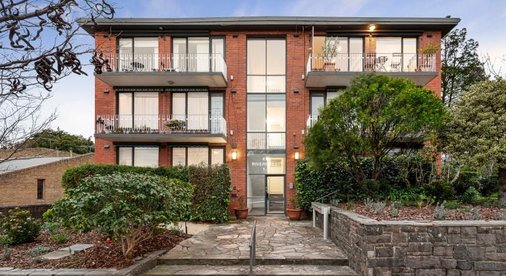
Some properties are exempt where compliance isn't practical. Apartments where the ceiling space is common property, for instance, or homes running on a centralised heating or hot water system. Worth checking your title and building setup before you assume a cost applies.
There's also help on the price. The Victorian Energy Upgrades program discounts heat-pump hot water, reverse-cycle air conditioners and insulation. Solar for Rentals offers eligible owners a rebate of up to $1,400 toward panels. And ceiling insulation discounts are expected to be available from 1 January 2027, which is a reason not to rush an install in the last weeks of 2026.
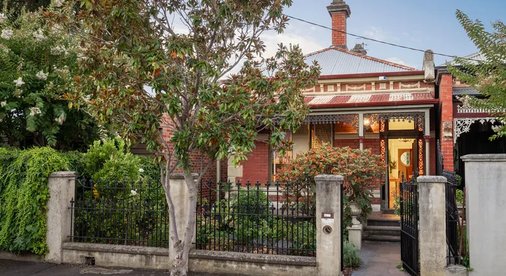
If you're looking at an older rental as an investment, the upgrade liability is a real figure, and it belongs in the price you pay, not in a surprise a year later. An un-insulated post-war house that re-lets in 2027 carries insulation, showerhead and cooling obligations the moment the current tenancy ends. A property with existing insulation and a recently installed heat pump carries almost none. Two places at the same asking price can sit a long way apart once you cost the compliance in.
None of this makes older stock a bad buy. It makes the number knowable, and a known number is one you can negotiate against. The owners who come out ahead won't be the ones who upgraded in a panic in February 2027. They'll be the ones who priced the work before they bought, and timed it around their own leases and appliances.
If you're weighing up a rental and want the 2027 upgrade cost built into the read before you offer, send me the property and I'll tell you what it's actually carrying. No obligation, just a clear figure.
This is general information, not financial, legal or compliance advice. For how the standards apply to a specific property, confirm the current requirements with Consumer Affairs Victoria.
If you’d like to talk it through, we can map out the next steps.
No obligation. Just context.


It all starts with a confidential conversation.




.svg)

.svg)