


A client bought the apartment she was already renting straight from her landlord as Melbourne prices softened, using comparable sales to negotiate a grounded price. The six lessons behind the deal: don't wait for the bottom, don't low-ball a vendor, understand why they're selling, and build in a buffer against both falling values and rising rates.
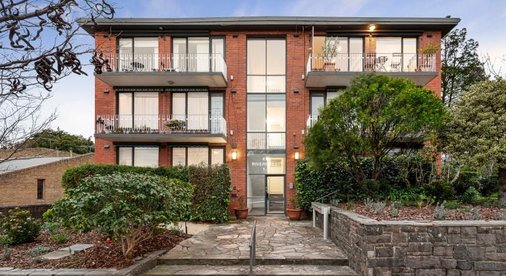
A young client came to me earlier this year with no real plan to buy. She'd always leaned toward shares over property, and buying a home wasn't on her radar for the next twelve months, let alone the next few weeks. Then Melbourne's price slide started showing up in the data, and she asked me a simple question: does this change anything for me?
It did. Not because the market had hit some magic bottom, since nobody can call that in real time, but because she was already living in the property she wanted. She was renting a one-bedroom unit in a bayside pocket she genuinely loved: good neighbours, an outdoor space that worked for her dog, a floor plan she knew inside out because she'd lived in it for two years. Rather than start a search from scratch, we went straight to her landlord and asked whether he'd consider selling to her directly.
It turned out to be a clean win for both sides. She skipped the stress of buying blind, with no surprises about defects and no guessing at whether the layout would work for her life, because she already knew. Her landlord skipped the cost and hassle of marketing, staging and a vacant settlement period. That kind of alignment doesn't happen on every deal, but when it's there, it's worth pursuing hard.
Where I earned my fee was in the number. We built her offer off actual comparable sales: what similar units in that block and within a kilometre had sold for in the past six months, rather than anchoring to the asking price or vague assumptions about "the market being down." We opened low deliberately, with room to move up, rather than opening high and risking an instant yes that left money on the table. It's a small thing, but it's the difference between negotiating and hoping.
The deal closed cleanly, and she's now sitting in an apartment she chose with her eyes open, at a price grounded in evidence rather than sentiment. It's a genuinely good case study for anyone wondering whether a softer market is worth acting in, and what to actually do about it if it is.
Don't wait for the bottom. The question I hear most is "should I wait for prices to fall further?" By the time there's clear evidence the bottom has passed, it's already passed. I'd rather clients act when the property, price and repayments are right for them than try to time a number nobody can call in advance.
Don't let a soft market turn into a low-ball offer. A falling market doesn't mean every vendor will roll over on price. Comparable sales keep an offer credible instead of insulting, and a genuinely good property in a tightly held suburb can still attract competition even while the broader market is soft. Confusing a price cut from an unrealistic asking price with an actual bargain is one of the more common mistakes I see.
Understand why the vendor is selling. Is there a deadline? Are they buying elsewhere? How long has it been on the market, and has the price guide moved? If you're the only serious buyer, you have real leverage, but that leverage should shape the terms you negotiate, not just an aggressive lowball that risks alienating someone already under pressure. Settlement dates and contract conditions can matter to a vendor as much as price.
Build in a buffer against value falling further. If you buy with a small deposit and prices keep softening, you can end up owing more than the property is worth on paper: negative equity. It isn't a real problem unless you're forced to sell, which is exactly why I encourage clients to borrow below their maximum approval rather than at the ceiling of it.
Build in a buffer against rate rises too. The same logic applies on the lending side. I want clients budgeting from a comfortable repayment level, not the top of what a lender will approve, with a genuine emergency buffer sitting behind it.
Focus on quality regardless of where the cycle sits. Light, layout, location and land: the fundamentals don't stop mattering just because the headlines are about a downturn. A well-oriented property with a floor plan that works and proximity to the things people actually value will always attract demand. For investors especially, the discipline matters more in a soft market, not less. The property still needs to do a specific job in the portfolio, and a discount alone isn't a reason to compromise on fundamentals.
No. By the time there is clear evidence prices have stopped falling, that point has usually already passed. It is better to buy when the property, price and repayments suit you than to try to time a bottom nobody can call in advance.
Not necessarily. A falling market does not mean every vendor will accept a steep discount. Comparable sales keep an offer credible, and a genuinely good property in a tightly held suburb can still attract competition even while the broader market softens.
Negative equity is owing more on a property than it is currently worth. It mainly affects buyers who purchased recently with a small deposit. It is not a real problem unless you are forced to sell, which is why borrowing below your maximum approval gives you a buffer.
Fundamentals still matter most: light, layout, location and land. A well-oriented property with a workable floor plan and proximity to key amenities will always attract demand, regardless of where the broader market sits in its cycle.
If you're weighing up whether a softer market is your opportunity, whether that's approaching a landlord directly, like this client did, or searching more broadly, that's exactly the conversation worth having before you make a move.
If you’d like to talk it through, we can map out the next steps.
No obligation. Just context.


It all starts with a confidential conversation.




.svg)


.svg)