


Victorian law demands full disclosure of any “material fact” that could influence a buyer’s decision—think asbestos, illegal renovations, or a property’s criminal past. Since 1 March 2020, hiding such details risks fines over $19K and even jail. This guide explains what qualifies, how to disclose via the Section 32, and why transparency protects both buyers and sellers.

When you’re transacting property, a single undisclosed detail can derail the deal or cost you thousands. Under Victorian law, that detail is called a material fact - and failing to reveal it is more than poor form; it’s illegal.
A fact is material if:
Put simply, if the information could influence a reasonable person’s decision, it must be laid on the table.
The Sale of Land Amendment Act 2019 makes full disclosure non‑negotiable. Since 1 March 2020, vendors and agents must not knowingly conceal a material fact. Breaches attract serious penalties:
These rules apply to all land - residential, commercial, and rural.
Material facts are captured in the Section 32 Vendor Statement. The document must reach a purchaser before they sign the contract of sale. If key details are missing or wrong, the buyer can walk away any time before settlement.
Transparency protects both sides: buyers avoid nasty (and costly) surprises, while sellers steer clear of fines, lawsuits, and reputational damage. At Cottage & Castle we advocate for evidence over emotion - the fastest route to a fair, drama‑free outcome.
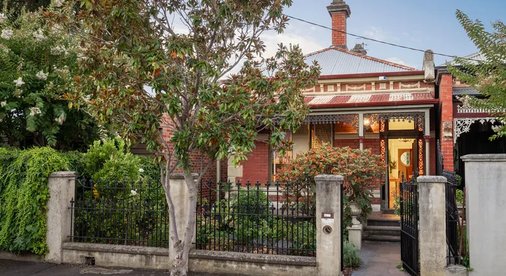
The Melbourne home at 30 Omama Rd was once the site of a murder - a clear material fact that was not disclosed to early prospects. After a full renovation the property eventually set a suburb record, but the controversy underscored the legal and ethical risk of silence.
Presenting a property in its best light is fine; covering up its true condition is not.
We’re here to help you navigate Victorian disclosure requirements with calm confidence and zero guesswork.
If you’d like to talk it through, we can map out the next steps.
No obligation. Just context.


It all starts with a confidential conversation.



.svg)


.svg)