


Spot red flags before you spend a cent. This 10-step Melbourne due-diligence checklist shows beginners how to uncover title issues, zoning hurdles, hidden permits and neighbourhood risks - so you negotiate with facts, not hope.

Buying a home in Melbourne is likely one of the biggest decisions you’ll make, but that doesn’t mean you must stay passive until the paperwork reaches a solicitor’s desk. By running a few disciplined checks early, you can spot red flags, slash wasted costs, and enter negotiations with evidence rather than hope.
Real‑world proof: a reader recently emailed to thank me for this very checklist after it helped him uncover an Environmental Audit Overlay on the property, he was eyeing. The overlay flagged potential contamination - serious for health and safety and would have made his planned extension a regulatory maze. Catching it upfront saved him the cost of further due diligence, a likely redesign of his plans - not to think about the additional planning costs.
Below is a ten‑point checklist you can complete before lawyers and inspectors step in. Nothing here replaces professional advice, it simply prevents you from paying those professionals to confirm problems you could have seen coming.
Look for obvious structural or maintenance concerns:
A ten‑minute chat can surface issues no database reveals - think boundary disputes, noise sources, or plans to rebuild next door.
Once this checklist is clear—or flags serious concerns—it’s time for a licensed building inspector, solicitor and, ideally, a Melbourne buyers advocate to verify, negotiate or walk away.
Ask yourself: If the perfect property emerged tomorrow, would you be ready to act with facts or feelings?
See also: Early Property Buying Conversations – why timing your prep work beats timing the market.
If you’d like to talk it through, we can map out the next steps.
No obligation. Just context.
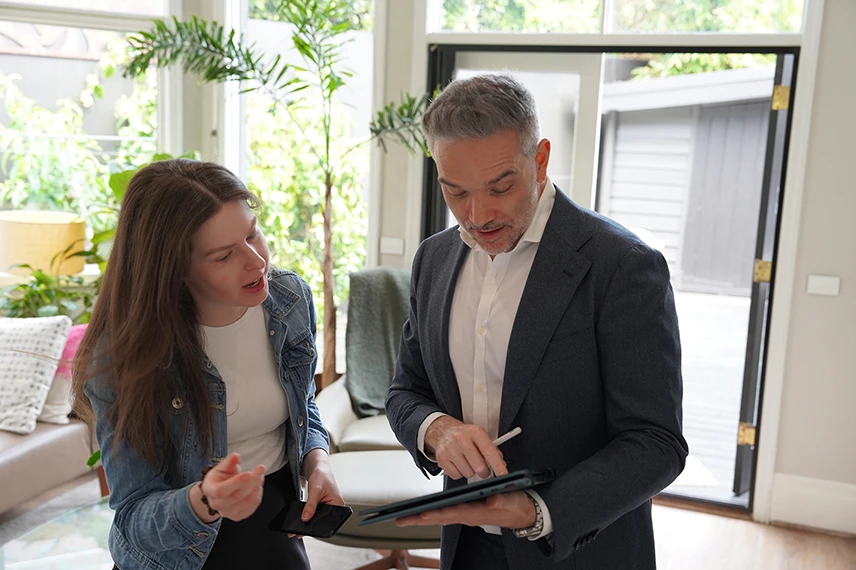

It all starts with a confidential conversation.



.svg)

.svg)