


Melbourne CBD revitalisation: Mixed-use developments, public realm upgrades, and tenant diversification address record office vacancies, boosting sustainability and urban growth.
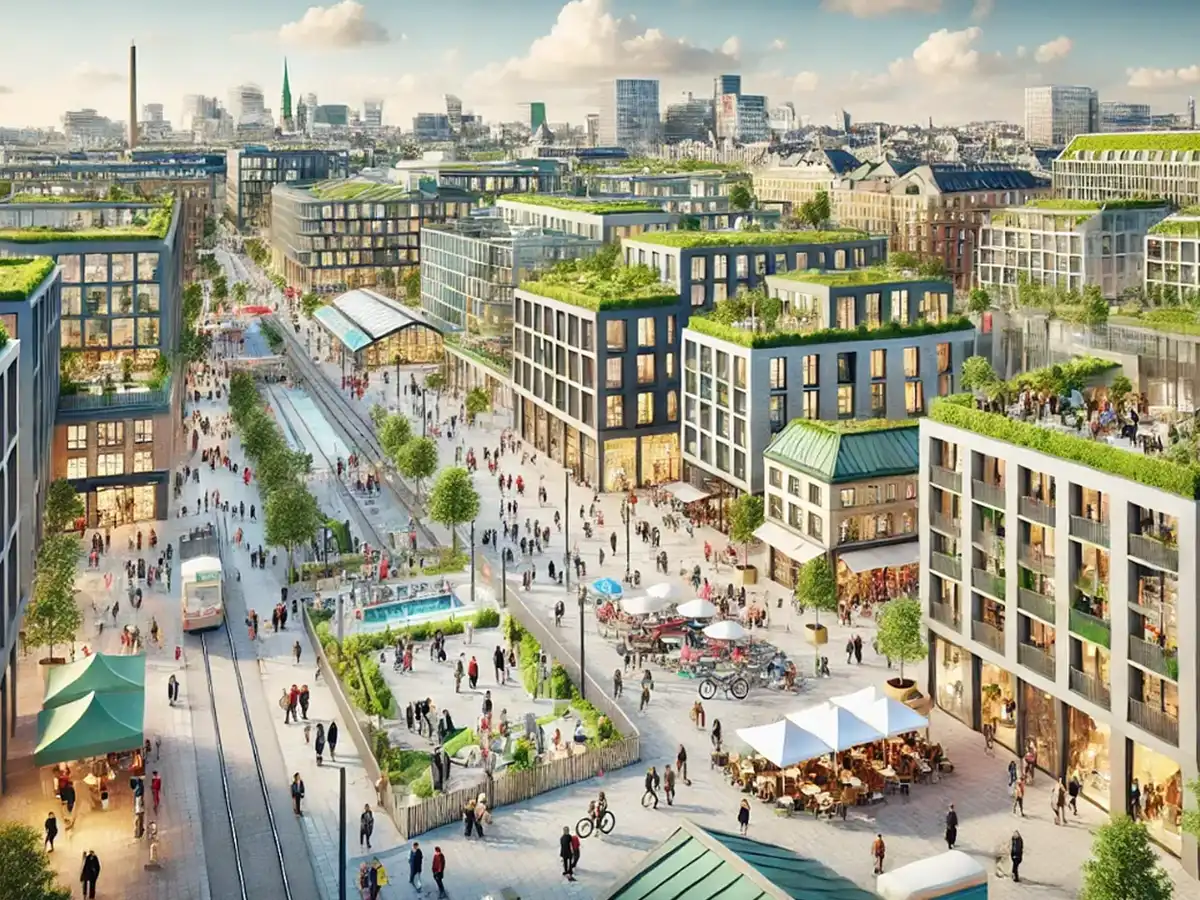
The commercial property market in Melbourne’s CBD faces significant challenges but also holds strong potential for recovery and rejuvenation.
As of early 2024, Melbourne’s CBD office vacancy hit 16.4% — the highest level since 1997 — driven by new supply and lowered tenant activity post-pandemic .
However, improving demand for A‑grade office space and a steady uptick in leasing activity offer positive signs.
Adopting a strategic blend of residential, commercial, retail, and cultural spaces — as seen in Lower Manhattan and London’s Shoreditch — can breathe life back into the CBD .
By integrating shopfronts, residential options, and offices, mixed-use developments increase foot traffic and local spending — boosting property values and tax revenue.
A multifunctional CBD reduces commutes, promotes public transport use, encourages walking, and supports urban greening, improving air quality and liveability .
Projects like Anzac Station and Southbank Boulevard’s renewal are critical first steps. Melbourne could take inspiration from NYC’s High Line - an elevated rail line converted into a flourishing public park.
Urban greening strategies, like expanding tree canopy under Melbourne’s Urban Forest Strategy, also support livability goals.
Targeting a broad range of tenants — from creative startups to tech firms — can revitalise the office landscape.
Tax breaks, grants, and shared workspaces can attract diverse businesses and fuel CBD vibrancy.
Successful revitalisation requires integrated planning across government, developers, and communities.
Policy changes — like streamlined approvals, mixed-use incentives, and community engagement — will support Melbourne’s ongoing CBD evolution.
If you’d like to talk it through, we can map out the next steps.
No obligation. Just context.

It all starts with a confidential conversation.


.svg)

.svg)