St. Kilda A Melbourne Buyers Advocate’s Perspective
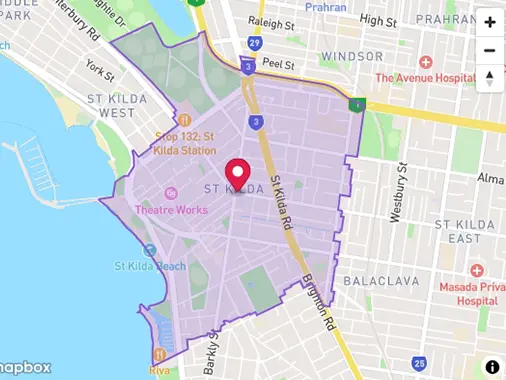
Six kilometres from Melbourne’s CBD, St Kilda is equal parts seaside icon and high-density powerhouse. From a Melbourne buyers advocate’s seat, it’s a market of contrasts – heritage mansions on the Esplanade, Art Deco apartments near the gardens, and modern builds tucked into back streets. Supply is fluid, but quality stock in prime pockets still draws fierce competition. The bay, the foreshore, and a cultural calendar that runs from festivals to footy keep demand broad and constant. For buyers, success here means reading the micro-markets – because in St Kilda, the difference between a lifetime asset and a short-term gamble can be just one block.
What Buyers Need to Know
St Kilda’s market is shaped by its mix of property types – from grand Victorian terraces and Art Deco apartments to newer townhouses – each attracting different buyer segments. Proximity to the beach, CBD access and a constant stream of visitors keep demand high, but values vary sharply street to street. Heritage Overlays protect many of the older buildings, influencing renovation scope and approval timelines. Some pockets near the foreshore sit on softer soils, so buyers planning extensions or rebuilds should factor in engineering costs. In a suburb with such diversity, a Melbourne buyers advocate who understands the patchwork of micro-markets can help separate the long-term performers from the short-term distractions.






.svg)



.svg)