Port Melbourne Suburb Profile And Buyer's Guide

Nairm, Boon Wurrung Country
a property auction in port melbourne

Port Melbourne A Melbourne Buyers Advocate’s Perspective

Three kilometres from Melbourne’s CBD, Port Melbourne is where the bay meets the skyline – and where every square metre is contested. From a Melbourne buyers advocate’s perspective, it’s a market split between two highly sought-after worlds: tightly held period cottages and terraces in the historic streets, and modern apartments and townhouses hugging the waterfront. The lifestyle pull is obvious – sand, shops and the city in minutes – but scarcity is the real driver, especially for character homes near the village. In Port Melbourne, winning often comes down to knowing what’s coming before the “for sale” board goes up, because by then, you’re already in a race.
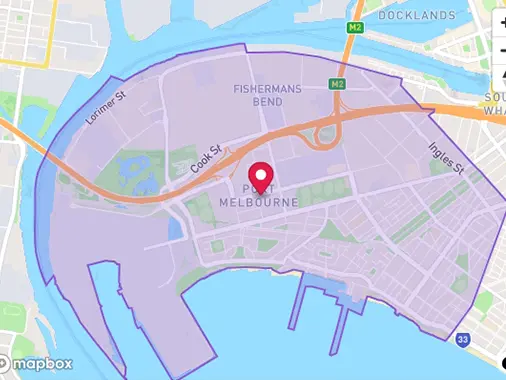
Interactive map preview
Tap to explore map

What Buyers Need to Know

Port Melbourne’s market runs on scarcity and lifestyle. Victorian and Edwardian cottages east of Bay Street are tightly held and often fall under Heritage Overlays, which protect their character but limit redevelopment scope. Closer to the water, modern apartments and townhouses offer convenience and views, though quality varies and premiums are highest for direct beach access. Development potential is mostly confined to small-scale infill, with larger projects pushed toward Fishermans Bend. For a Melbourne buyers advocate, the edge comes from knowing which streets hold long-term value and spotting opportunities before they hit the open market.

Location That Works – Weekday and Weekend

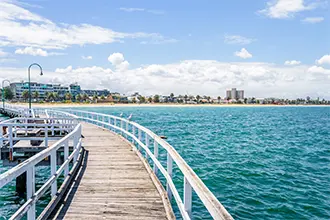
a picture of a pier in port melbourne
Port Melbourne serves the bay with a side of city slick. The 109 tram shoots you up Bay Street into the CBD in under 20 minutes, or you can jump on the bike path and beat the suits to their desks. Bay Street covers the weekday grind – groceries, coffee, and a pub if the day runs long – while weekends belong to the foreshore, the dog beach and a lazy lap through South Melbourne Market. For a Melbourne buyers advocate, it’s a spot where the commute’s a formality and the lifestyle’s the real deal.

Heritage Streets, Energised Lifestyle

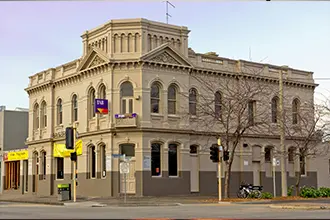
a historical pub in port melbourne
Port Melbourne started life as Sandridge – mudflats, a pier and shiploads of new arrivals. The docks and factories shaped its working-class backbone, and some of the wharf stories aren’t fit for polite company. Today, Beacon Cove’s modern builds sit alongside east-of-Bay Victorian cottages protected by Heritage Overlays. That mix of hard-yakka past and bayside polish keeps demand fierce and listings rare.

Lifestyle Infrastructure That Delivers

a lifestyle picture of princes pier in port melbourne at sunset
Port Melbourne makes the everyday easy. Bay Street covers groceries, cafés, pubs and restaurants, while Station Pier and the foreshore keep the bay front and centre. Local parks, the light rail, and nearby South Melbourne Market round out the mix. For a Melbourne buyers advocate, it’s a suburb where lifestyle and convenience are welded together – and that keeps the market running hot.

Looking To Buy In Port Melbourne?

Get in touch

Thank you! Your submission has been received!
Oops! Something went wrong while submitting the form.

Looking To Buy In Port Melbourne?

Get in touch

Thank you! Your submission has been received!
Oops! Something went wrong while submitting the form.

Lifestyle

Schools

Port Melbourne offers families a well-rounded mix of schooling options. Port Melbourne Primary and Albert Park College provide trusted public pathways, while nearby Galilee Regional Catholic Primary, Christ Church Grammar, and Wesley College offer further choice for those seeking private education. With quality schools close to home, the area combines convenience with strong learning opportunities.

Public Transport

Port Melbourne is well connected, with tram route 109 providing a direct link to the CBD and several bus routes offering easy access to neighbouring areas. Southern Cross Station is only a short trip away for broader train connections, while night services ensure reliable travel well into the evening.

Demographics

Port Melbourne: Demographics & Dwelling Mix

Property Prices

Port Melbourne: Median Sale and Rental Prices (Q2 2020 – Q2 2025)

House (Sales)
Quarterly Median House Price by Bed Count
Unit (Sales)
Quarterly Median Unit Price by Bed Count
House (Rentals)
Quarterly Median House Weekly Rent
Unit (Rentals)
Quarterly Median Unit Weekly Rent
Last 12 Months Transactions Breakdown

Frequently Asked Questions

What's the mix of apartment complexes vs heritage homes in Port Melbourne?

Port Melbourne features a diverse housing mix with significant new apartment development alongside preserved heritage homes and converted industrial buildings. The suburb has seen extensive high-rise apartment construction in recent years, providing modern living options with city and bay views. However, pockets of heritage homes remain, particularly in established residential streets away from major development sites. Many former industrial buildings have been converted into unique residential spaces, creating character apartments and townhouses. This mix provides housing choice from modern apartments to historic homes, though new developments dominate the market. The changing housing stock reflects Port Melbourne's evolution from industrial area to residential suburb, offering buyers various lifestyle and price options.

Are there community events or markets in Port Melbourne?

Port Melbourne hosts regular community events and markets that bring residents together and celebrate the suburb's character. The Port Melbourne Market operates regularly, offering fresh produce, specialty foods, and local products in a historic market building. Community festivals and events often take place in local parks and foreshore areas, particularly during warmer months. The suburb's growing population has increased interest in community activities, with local groups organising various social and cultural events. These events help build connections between longtime residents and newcomers, creating that neighbourhood community feel. Check local council websites and community boards for current event schedules and seasonal celebrations in the area.

How is the public transport in Port Melbourne?

Public transport in Port Melbourne centres around the light rail system connecting to the city, providing direct access to Flinders Street and other CBD locations. The light rail runs regularly during peak times but less frequently during off-peak and weekends. Bus services complement the light rail, connecting different parts of Port Melbourne and linking to other suburbs. However, some areas of Port Melbourne have limited public transport access, particularly newer developments further from the main transport corridors. Many residents find public transport adequate for city commuting but might need cars for other destinations. Check PTV for current timetables and service levels from your specific location in Port Melbourne.

Is parking easy to find in Port Melbourne?

Parking in Port Melbourne varies significantly by area and time. Residential streets generally offer reasonable street parking, though new apartment developments have increased demand. Areas near the beach and popular venues can fill up on weekends when visitors arrive. Many newer apartment complexes provide resident parking, but older properties may lack dedicated spaces. The suburb's proximity to the city means some residents use public transport instead of driving daily. However, weekend beach visitors and people accessing Port Melbourne's amenities can create parking competition in popular areas. Overall, parking is more manageable than central Melbourne but requires planning during busy periods and in high-demand locations.

How has Port Melbourne's real estate pricing changed with development?

Port Melbourne's real estate pricing has increased significantly with extensive apartment development and the suburb's growing popularity. New apartment complexes have attracted young professionals and families, pushing median prices higher across all property types. The combination of beach access, city proximity, and modern amenities has made Port Melbourne increasingly desirable, reflected in rising property values. However, the large amount of new apartment stock has provided more housing choice, which can moderate price increases in some segments. Buyers should research specific developments and their impact on local property values. The ongoing development suggests continued price pressure, though market conditions and supply levels will influence future trends.

What's the beach like in Port Melbourne?

Port Melbourne beach offers a quieter alternative to St Kilda with sandy stretches and bay views toward the city skyline. While not as developed for tourism as St Kilda beach, it provides excellent swimming, walking, and cycling opportunities along the foreshore. The beach features a pier popular for fishing and walking, plus parkland areas perfect for picnics and family activities. Dog owners appreciate the off-leash beach areas, and the less crowded atmosphere appeals to locals seeking peaceful beach time. However, being in the bay rather than open ocean, the beach lacks surf and can have seaweed at certain times. Overall, it's ideal for relaxed beach activities and exercise rather than beach culture or swimming.

How close is Port Melbourne to the CBD and Docklands?

Port Melbourne is exceptionally close to both the CBD and Docklands, making it highly attractive for city workers. The suburb sits just across from Southbank, with many residential areas offering views of the city skyline. You can reach the CBD by car in 10-15 minutes outside peak times, while public transport connections via light rail provide direct access to the city centre. Docklands is even closer, often within walking or cycling distance from many Port Melbourne homes. This proximity to major employment centres makes Port Melbourne popular with professionals who want inner-city convenience while maintaining a more relaxed, coastal lifestyle. The close city access significantly influences property values in the area.

Is Port Melbourne a good area for young families?

Port Melbourne works well for young families seeking beachside living with city proximity. The suburb offers family-friendly amenities including parks, playgrounds, and beach access that children love. Local schools serve the community, and the area has a growing family demographic as young professionals settle down. The Port Melbourne Market and local cafes create community gathering spaces where families connect. However, consider the industrial heritage and ongoing development which can mean construction noise and changing neighbourhood character. Property prices reflect the desirable location, and some areas can be windy due to coastal exposure. Overall, it suits families who prioritise beach access and city convenience over suburban tranquillity.

Is Port Melbourne at risk of flooding?

Port Melbourne includes low-lying coastal areas, so buyers should review both stormwater and coastal-inundation risk. Start with Melbourne Water’s flood mapping and the VICSES Local Flood Guide for the City of Port Phillip. Council pages explain preparedness and local projects.

For a specific address, your conveyancer can check overlays in VicPlan and request any drainage or history records. Obtain insurance quotes early if mapping shows elevated risk.

How do foreshore and residential parking permits work in Port Melbourne?

Port Melbourne permits are issued by the City of Port Phillip. Residential permits cover signed streets near your home, while foreshore permits relate to designated beach car parks. Check your property’s eligibility—some apartments are excluded—and apply with proof of residence and vehicle details. Visitor options exist, with limits and fees.

Always follow street signage. See the City of Port Phillip website for current permit areas, maps and application steps.

Is Port Melbourne safe? How do I check crime trends?

Port Melbourne buyers should review Crime Statistics Agency Victoria’s data to understand local offence trends and how they compare with neighbouring suburbs. On the ground, assess building security, lighting, CCTV in common areas and parcel/bike storage—useful for apartment living.

Third-party dashboards can help visualise patterns, but verify figures against CSA. Crime data changes and doesn’t predict individual risk; combine stats with local insight and standard precautions.

Looking To Buy In Port Melbourne?

RealStruck-Webflow Template- Menu Close Icon
It all starts with a confidential conversation.
Thank you! Your submission has been received!
Oops! Something went wrong while submitting the form.
RealStruck-Webflow Template- Menu Close Icon
Obligation free consultation
Send sms
Send sms