Get in touch

Get in touch
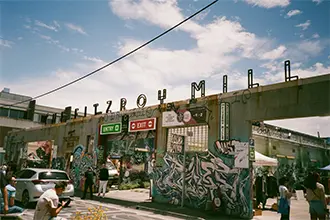
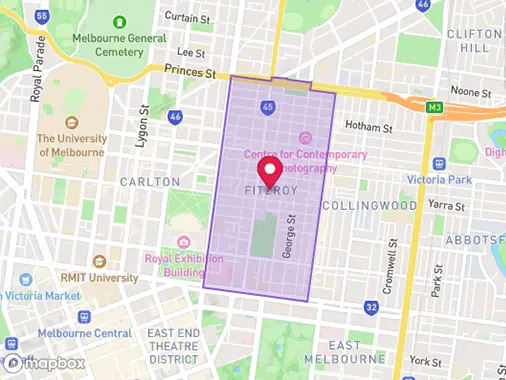
Fitzroy and Collingwood share similar creative, alternative cultures but with distinct differences in atmosphere and development. Fitzroy tends to be slightly more upmarket and established in its gentrification, with Brunswick Street as its famous cultural hub. Collingwood has a rawer, more industrial character with Smith Street as its main strip, often considered grittier and more authentic by some residents. Both suburbs attract similar demographics – artists, creatives, and young professionals – but Fitzroy generally commands higher property prices and has more tourist attention. Collingwood often feels more residential away from its main strip, while Fitzroy's activity spreads more broadly. Both offer excellent music scenes, creative communities, and urban lifestyle, with choice often coming down to personal preference for atmosphere and budget.
Fitzroy provides several parks and green spaces that offer relief from the urban environment. Fitzroy Gardens borders the suburb and provides extensive parkland with walking paths, historic features, and recreational facilities. Edinburgh Gardens, while technically in Fitzroy North, is easily accessible and offers sports facilities, playgrounds, and community spaces. Several smaller neighbourhood parks and reserves are scattered throughout residential areas, providing local recreational opportunities. However, as a dense inner suburb, Fitzroy has limited large green spaces within its immediate boundaries. Many residents use nearby larger parks or venture to the Yarra River parklands for extensive outdoor recreation. The available green spaces work well for local exercise and relaxation.
Fitzroy's late-night safety varies by location and circumstances, with busy areas like Brunswick Street generally well-lit and populated but some quieter residential streets requiring normal urban caution. The active nightlife creates natural surveillance on main strips but can also attract alcohol-related issues and antisocial behaviour. Most residents feel reasonably safe in well-trafficked areas but exercise standard city precautions in quieter locations. Crime statistics from Victoria Police provide official data on local incident rates. The suburb's artistic and alternative culture generally creates a tolerant, diverse community, though late-night venues can occasionally generate disturbances. Personal awareness and common sense are important, as in any inner-city area with active nightlife.
Parking in Fitzroy is notoriously difficult, especially near Brunswick Street and popular venues. Most residential streets have permit parking systems, and finding visitor parking can be challenging particularly on weekends. Many properties, especially older terraces and converted apartments, lack off-street parking. The combination of residents, workers, and visitors creates constant demand for limited street parking spaces. Parking restrictions are strictly enforced, and fines are common for overstaying time limits. However, Fitzroy's excellent public transport connections and walkable design mean many residents manage without cars. If parking access is important to you, prioritise properties with dedicated spaces or consider the ongoing costs and frustration of street parking competition.
Fitzroy has family-friendly pockets, particularly in residential streets away from the main Brunswick Street action. Areas near parks and schools offer more suitable environments for families with children, though the suburb generally skews toward young adults and creative professionals. Some local cafes and venues welcome families during daytime hours, and community facilities serve families who choose to live in the area. However, Fitzroy's nightlife scene, smaller housing stock, and urban intensity can make it challenging for families with young children. Families who thrive in Fitzroy typically appreciate cultural diversity, urban convenience, and are comfortable with city living. Consider your family's specific needs and tolerance for urban energy when evaluating Fitzroy.
Brunswick Street in Fitzroy becomes very crowded on weekends, particularly Friday and Saturday evenings when people from across Melbourne visit its bars, restaurants, and shops. The street fills with pedestrians, creating a bustling atmosphere that can be exciting but also overwhelming. Parking becomes extremely difficult, and venues often have queues or require bookings. The crowds include both locals and tourists, creating energy but also noise and congestion. Many residents love having this vibrant street life at their doorstep, while others find weekend crowds disruptive to daily life. If you're considering living near Brunswick Street, factor in the weekend intensity and whether you prefer being in the action or having quieter surroundings.
Fitzroy permits are managed by the City of Yarra. Confirm your property’s eligibility and permit area, then apply online with proof of residence and vehicle details. Some apartments are excluded by planning conditions. Visitor permits and business permits are available with limits and fees.
Street signage overrides general rules—always read the signs near your home. See Yarra’s website for current conditions and application links.
Fitzroy’s Brunswick Street is a major dining and nightlife strip. Living close by offers superb walkability and frequent trams, but also weekend noise and limited parking. Inspect at night and on Saturday mornings to test your tolerance for deliveries and late trading.
For permits and restrictions, see City of Yarra’s parking pages. If buying an apartment, ask about acoustic treatment and body-corporate rules for short stays and waste management.
Fitzroy and Brunswick both offer inner-north culture with slightly different textures. Fitzroy skews older housing stock and denser hospitality strips; Brunswick often provides larger blocks and more recent townhouses further out. Compare tram and train access, parking controls, and heritage or neighbourhood-character overlays in VicPlan.
Base decisions on recent, like-for-like sales and your day-to-day routine—commute, schools and noise tolerance—rather than suburb stereotypes.


It all starts with a confidential conversation.